Common Cyanoacrylate Mistakes That Weaken Your Bond
Fast Glue Does Not Mean Foolproof Glue
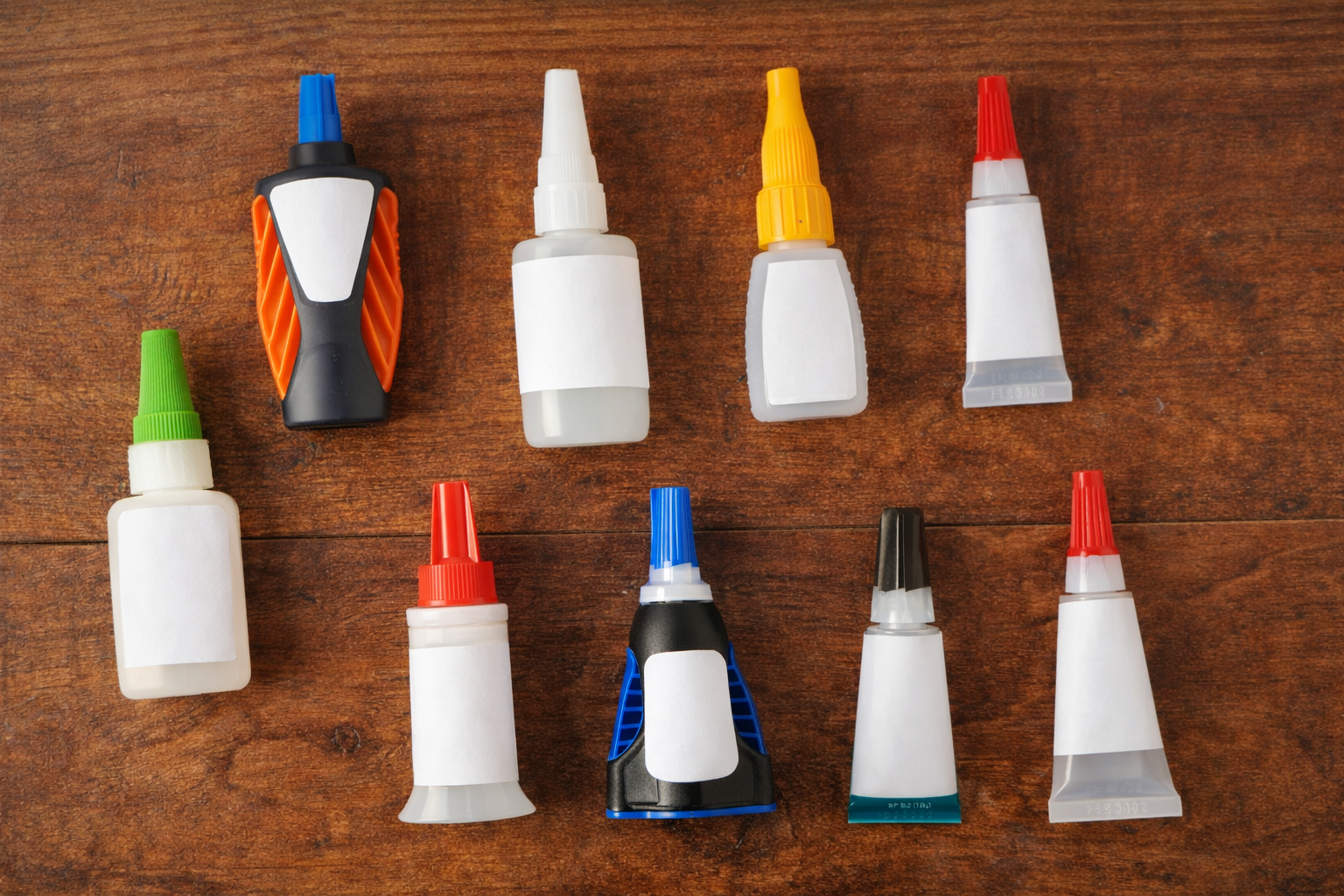
Cyanoacrylate glue is popular because it is fast, simple, and easy to use. Put a small drop on a part, press the pieces together, and it feels like the job is done. That quick grab is exactly why people make mistakes with it. A weak bond usually is not caused by the glue being bad. It is caused by rushing, overusing it, or applying it to a surface that was never ready in the first place.
If you want a stronger result, the basics matter more than people think. Clean surfaces, a close fit, a small amount of glue, and a little patience do more for bond strength than squeezing out extra adhesive and hoping for the best. The same is true with carbon fiber glue. It can be a great product for precise repairs, but it still depends on good technique.
Dirty Surfaces Ruin Good Repairs
One of the most common mistakes is bonding parts that are not truly clean. A surface can look fine and still have skin oil, dust, polishing residue, sanding debris, or shop grime on it. Any of that can get between the glue and the material and weaken the bond before it ever has a chance to do its job.
This matters even more with carbon fiber parts. They may look clean, but they often carry fine dust, smooth resin on the surface, or oils from handling. That can make a repair fail much sooner than expected.
Before bonding anything, wipe the surfaces down and let them dry fully. If the part is very smooth, a light scuff can also help give the glue something better to grip. You are not trying to gouge the material. You are just trying to remove slickness and improve contact. Good bonding starts before the glue ever leaves the bottle.
More Glue Usually Means More Problems
A lot of people assume that using more glue will create a stronger bond. With cyanoacrylate, that is often the opposite of what happens. This type of adhesive usually works best in a very thin layer between two parts that fit closely together. When you flood the area, you create a thicker layer, more mess, and more chances for the bond to be weaker than it should be.
Too much glue also creates squeeze-out around the edges. That makes the repair look sloppy and can leave unwanted residue on the surrounding surface. In a small or detailed repair, it can turn a clean job into an ugly one fast.
Carbon fiber glue is a good example of this. It works best when used with control. A small amount placed where it needs to go is usually far better than coating the whole area and pressing for the best. Precision beats excess almost every time.
Bad Fit Leads to Weak Bonds
Cyanoacrylate glue is not meant to rescue a badly fitted joint. It performs best when two surfaces meet closely and evenly. If there is a large gap, the result becomes less predictable. The repair may seem fine at first, but it can fail earlier when the part is stressed, bumped, or flexed.
That is why fit matters so much. The glue should help hold two well-matched surfaces together. It should not be doing all the structural work by itself. If the pieces rock, shift, or leave empty space between them, the bond is already starting at a disadvantage.
This is especially important when using carbon fiber glue for a more refined repair. The appeal of that kind of product is clean, tight, accurate bonding. If the joint is sloppy, you lose much of the benefit right away.
A Quick Grab Is Not the Same as Full Strength
Another common mistake is moving too fast. Cyanoacrylate grabs quickly, so people assume the bond is fully ready the second the parts stick together. That is not always true. A joint can feel solid in the first moments and still be easy to weaken if you twist it, flex it, or put it back into service too soon.
Small shifts during the first stage of bonding can hurt alignment and lower the overall quality of the repair. That is why it helps to position the parts carefully the first time, hold them steady, and avoid stressing them right away.
People also expect this kind of glue to handle every kind of load equally well. It does not. A bond that seems strong in a straight pull may fail sooner when it is bent, peeled, or repeatedly flexed. That does not always mean the glue failed. Sometimes it means the repair was asked to do something it was never meant to do.
Storage and Conditions Matter More Than You Think
Even good technique can be undermined by old or poorly stored adhesive. A bottle that has been sitting too long, exposed to bad conditions, or allowed to get dirty around the tip may not behave the way it should. If the glue feels inconsistent, cures oddly, or does not flow the way it used to, the bottle itself may be part of the problem.
Temperature and moisture also affect performance. In other words, the environment matters. So does keeping the bottle sealed properly and stored with a little care between uses. Carbon fiber glue is no exception. If you want reliable results, the product needs to be in good condition before the job even starts.
Better Bonds Come From Better Habits
Most weak cyanoacrylate bonds come from the same handful of avoidable mistakes. Dirty surfaces, too much glue, bad fit, early handling, and poor storage cause far more failures than people realize.
The good news is that the fix is simple. Clean the surfaces. Use less adhesive. Make sure the parts fit well. Hold them steady. Give the bond a little time. Whether you are making a quick household repair or using carbon fiber glue for a more precise job, stronger results usually come from the same habits: better prep, tighter fit, cleaner application, and a little more control.
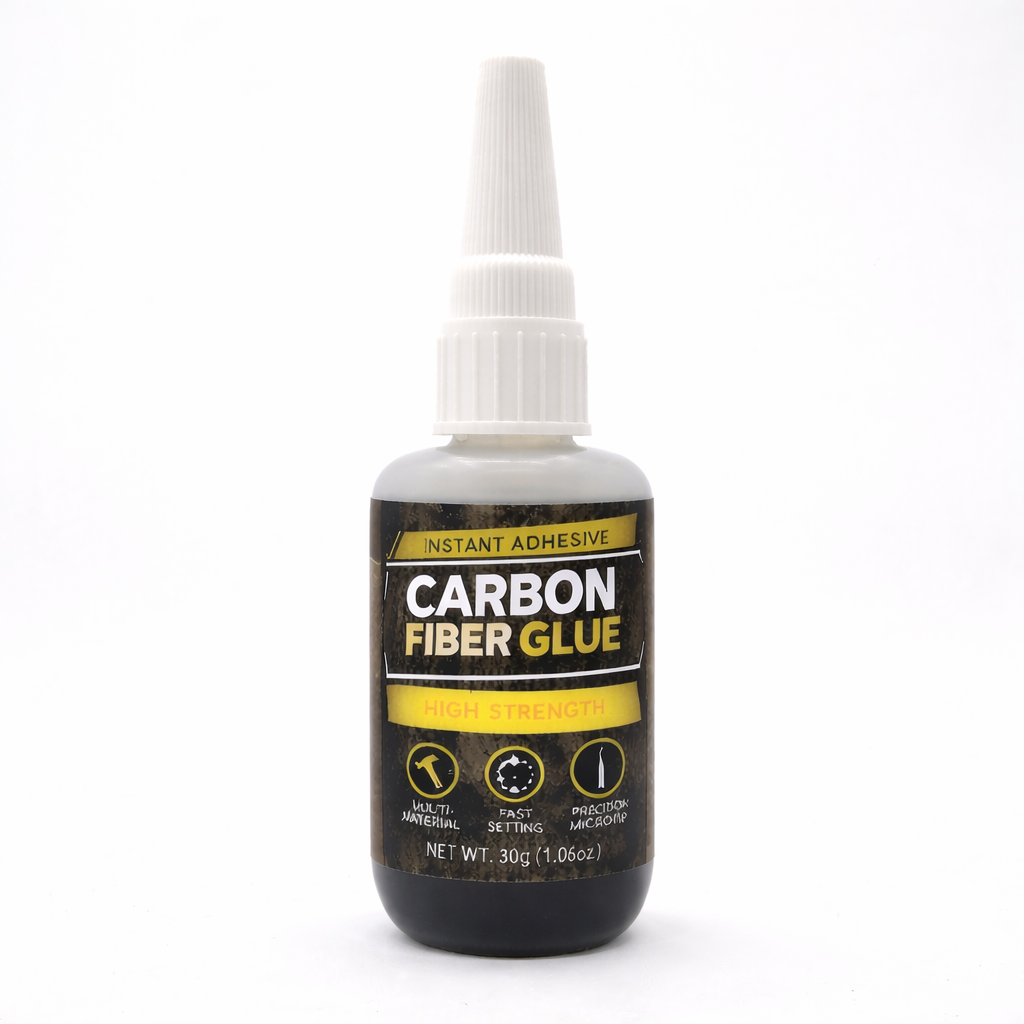
Carbon Fiber Glue is a high-performance cyanoacrylate adhesive formulated with real carbon fiber for demanding bonding applications where precision, speed, and clean execution matter. Built around a thin, penetrating formula, it is designed to wick into tight joints, fine cracks, and close-fitting surfaces with minimal excess and excellent application control.
Engineered for technical repair work and detail-focused assembly, Carbon Fiber Glue cures rapidly in the presence of ambient moisture to form a hard, reliable bond in seconds. The addition of real carbon fiber gives the product a more advanced material profile suited to modern repair, composite, fabrication, and workshop environments. It delivers the fast handling of a precision instant adhesive with a more specialized, performance-oriented identity. The carbon fiber used in the product is real milled PAN-based carbon fiber.
Suitable for carbon fiber, metal, rubber, wood, ceramics, plastics, and other common substrates, Carbon Fiber Glue is well suited for composite parts, precision repairs, shop use, technical assemblies, and applications where a clean bond line and controlled flow are essential. From small-part bonding to refined detail work, it is made for users who want a more serious adhesive with a more engineered feel.
Key Technical Details
Viscosity: ~5 cPs, thin penetrating formula
Set Speed: 5–20 second fixture time
Full Cure: 24 hours
Gap Profile: Best for tight-fitting parts and micro-gaps
Application: Precision micro-tip dispensing
Chemistry: Ethyl cyanoacrylate with real carbon fiber
Recommended Working Temperature: 65–80°F (18–27°C)
Bottle Size: 30g (1.06 oz) precision bottle
